
Choosing the right football boots for artificial grass is very important to play your best and stay safe. Artificial grass surfaces are different from natural grass, so regular boots may not give the right grip or comfort. The best boots for artificial grass provide stability, reduce the risk of slipping, and protect your feet during quick movements. They are designed with special soles that handle the harder surface and give better control of the ball. Whether you play for fun or in competitive matches, picking the right pair can improve your performance and make playing more enjoyable. Comfort, fit, and durability are key factors to consider.
1. Joma Eagle Cup (Ag)

-
Surface: Artificial turf (AG)
-
Upper Material: Lightweight microfiber
-
Closure: Lace-up
-
Heel Support: EXO Counter heel counter
The Joma Eagle Cup (Ag) is a classic-cut football boot designed specifically for artificial turf. Its lightweight microfiber upper ensures durability while providing a soft, comfortable touch on the ball. The EXO Counter heel counter adds extra stability, reducing the risk of heel slips during fast-paced movements. These boots are perfect for players who value a snug, supportive fit without compromising agility.
The lace-up closure allows for a customizable fit, ensuring that the boot hugs your foot securely during every sprint and sudden change of direction. Its sole is optimized for artificial grass, delivering excellent traction and reducing slippage even on damp or hard synthetic surfaces. Overall, these boots are practical, reliable, and ideal for both training sessions and competitive matches on AG surfaces.
Pros:
-
Lightweight and durable
-
Excellent grip on artificial turf
-
Comfortable and supportive fit
-
Stable heel support
Cons:
-
Limited use on natural grass
-
Design may feel basic for some players
2. PUMA Future 7 Play FG/AG

-
Upper Material: Engineered mesh & soft synthetic
-
Outsole: Dynamic Motion System for FG/AG
-
Grip: Engineered textures for ball control
-
Closure: Lace-up
The PUMA Future 7 Play FG/AG is designed for players who want adaptability and control on both artificial and firm natural surfaces. The combination of engineered mesh and soft synthetic on the upper provides a flexible, supportive fit while optimizing ball touch. Engineered textures at key contact points enhance dribbling, passing, and shooting accuracy.
The Dynamic Motion System outsole ensures agility and traction during sudden changes of pace or direction. This lightweight boot is perfect for players who need responsiveness and comfort throughout a match. Whether you’re playing on 4G artificial grass or firm ground, the Future 7 Play delivers consistent performance while protecting your feet.
Pros:
-
Lightweight and flexible
-
Enhanced ball control
-
Excellent traction on multiple surfaces
-
Comfortable fit
Cons:
-
Premium price point
-
May require break-in period
3. adidas Predator Club

-
Fit: Regular
-
Upper Material: Synthetic with Strikeprint texturing
-
Lining: Textile
-
Outsole: Firm/multi-ground
The adidas Predator Club is designed to combine durability, grip, and control for artificial grass players. The synthetic upper with Strikeprint texturing improves ball handling during dribbling and finishing, giving you extra precision. Its regular fit and lace closure make it suitable for most foot shapes, offering comfort and stability.
This boot performs well on firm and multi-ground surfaces, making it versatile for both practice sessions and matches. The textile lining ensures breathability and a soft interior feel, reducing fatigue during long games. Overall, the Predator Club provides a reliable, balanced experience for players of all levels.
Pros:
-
Good ball control with textured upper
-
Versatile on multiple surfaces
-
Comfortable interior lining
-
Durable construction
Cons:
-
Not specialized for extreme wet conditions
-
Standard design may not appeal to everyone
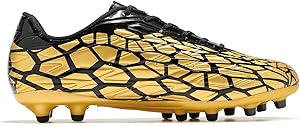
4. LEOCl Football Boots
-
Upper Material: High-quality synthetic
-
Interior: Soft supportive lining
-
Sole: Specialized for enhanced traction
-
Performance: Suitable for matches & training
The LEOCl Football Boots are crafted with advanced materials to deliver superior performance on artificial grass. The premium synthetic upper offers flexibility and durability, while providing precise ball control. Inside, a soft supportive lining ensures comfort and stability, helping to reduce fatigue during intense gameplay.
The specialized sole improves grip and agility, allowing for quick directional changes and confident sprints. These boots are versatile enough for both practice and match conditions, offering consistent performance in varying environments. Designed for players who prioritize comfort, control, and traction, LEOCl boots deliver professional-level performance without compromising on support.
Pros:
-
Durable and flexible upper
-
Comfortable interior for long matches
-
Excellent traction for AG surfaces
-
Versatile for training and matches
Cons:
-
May feel stiff initially
-
Limited color/style options
5. DREAM PAIRS Football Boots

-
Upper Material: Synthetic leather
-
Midsole: EVA mesh for shock absorption
-
Outsole: TPU firm ground cleats
-
Fit Feature: Fold-over tongue for sock-like fit
DREAM PAIRS Football Boots combine lightweight comfort with precise ball control. The synthetic leather upper is durable yet soft, allowing for a better touch on the ball. The EVA mesh midsole offers shock absorption, ensuring comfort during long matches or training sessions.
The TPU firm ground outsole provides excellent traction on natural and artificial surfaces. A fold-over tongue ensures a snug, sock-like fit that prevents slipping inside the boot. While these boots are designed for firm ground, their adaptable outsole makes them suitable for artificial grass, offering reliability and support for players at every level.
Pros:
-
Lightweight and durable
-
Comfortable and supportive fit
-
Good ball control
-
Shock-absorbing midsole
Cons:
-
Firm ground cleats less ideal for very soft AG
-
Logo design may vary
6. GWMDKI Football Boots

-
Upper Material: High-quality PVC synthetic leather
-
Design: Ergonomic heel counter
-
Comfort: Breathable interior
-
Closure: Classic tongue with laces
GWMDKI Football Boots are crafted for comfort, control, and performance on artificial grass. The high-quality PVC upper provides a soft touch on the ball and maintains shape during intense play. Its ergonomic heel counter ensures a secure fit and reduces risk of injury.
The breathable interior keeps your feet cool during long sessions, while the classic tongue design ensures stability. Lightweight yet durable, these boots are suitable for natural grass, rubber playgrounds, and artificial turf. Players benefit from comfort, traction, and shock absorption, making these boots ideal for both casual and competitive matches.
Pros:
-
Soft, high-quality upper
-
Secure heel fit
-
Breathable and comfortable
-
Versatile surface use
Cons:
-
Slightly heavier than some rivals
-
May require break-in period
7. BOTEMAN Football Shoes

-
Sole: TPU wear-resistant, anti-slip
-
Fit: Wrapper heel for ankle support
-
Material: Durable upper with anti-stretch lining
-
Use: Suitable for various surfaces
BOTEMAN Football Shoes are professional-quality boots suitable for children and adults. The TPU sole is wear-resistant and anti-slip, providing excellent traction on artificial turf and hard surfaces. A wrapper heel protects the ankle while ensuring comfort during fast movements.
These boots feature a durable upper with anti-stretch lining for longevity and consistent performance. Lightweight and breathable, they are ideal for multiple environments including natural grass, cement, hard ground, and artificial turf. BOTEMAN shoes are versatile, reliable, and built for players seeking performance and comfort without compromise.
Pros:
-
Durable and anti-slip sole
-
Ankle protection with wrapper heel
-
Comfortable and breathable
-
Suitable for multiple surfaces
Cons:
-
Design may not appeal to all
-
Limited premium features
How to Choose Football Boots for Artificial Grass
Choosing the right football boots for artificial grass is crucial for performance, comfort, and injury prevention. Artificial grass, or AG, surfaces are different from natural grass—they are firmer, more abrasive, and often require boots with specialized features. Wearing the wrong boots can lead to discomfort, blisters, and even injuries, especially during fast movements or sudden direction changes. To get the most out of your game, you need to understand the specific requirements of AG boots, how they differ from other types of football boots, and which features to prioritize when making a purchase.
Understanding Artificial Grass Surfaces
Artificial grass is made of synthetic fibers that mimic natural grass, often with a layer of rubber or sand infill. While it provides a consistent playing surface, it is usually firmer than natural grass and can be abrasive on the feet and joints. Because of these differences, football boots designed for soft or firm ground are not always suitable. AG boots are specifically engineered with stud patterns and sole structures that provide grip, stability, and comfort without damaging the synthetic surface.
Players who regularly train or compete on artificial grass should invest in AG-specific boots. Not only do they reduce the risk of slipping, but they also prevent excessive wear on the boots themselves. Some boots are labeled FG/AG, meaning they are versatile for both firm ground and artificial surfaces, but a dedicated AG boot usually performs better in terms of grip and durability.
Key Features to Look for in Artificial Grass Boots
Stud Configuration and Sole Design
One of the most important aspects of AG boots is the stud configuration. Unlike firm ground (FG) boots, which have longer and fewer studs, AG boots have shorter, more numerous studs to distribute pressure evenly. This design improves traction on the synthetic surface while reducing the risk of stud pressure injuries. Look for boots with rubber or TPU studs that provide grip without digging too deeply into the turf.
Upper Material
The upper material affects touch, control, and comfort. Synthetic leather is a common choice because it is lightweight, durable, and flexible. Some boots use engineered mesh combined with synthetic overlays to improve ball control and breathability. Consider your playing style—if you rely on precise ball handling, textured uppers can enhance control. Additionally, make sure the material provides a snug fit without being too tight, as tight boots can cause discomfort during long sessions.
Fit and Comfort
Comfort is essential for preventing injuries and maintaining performance. AG boots should have a secure fit around the heel and midfoot to prevent slipping. Many modern boots include cushioned linings, padded tongues, or sock-like constructions that improve comfort and lockdown. Always try on boots with the socks you usually wear during matches to ensure the fit is accurate.
Durability and Support
Artificial grass is abrasive, so boots need to be durable to withstand wear and tear. Look for reinforced toe areas and strong stitching to extend the lifespan of your boots. Heel counters and supportive midsoles help stabilize the foot during lateral movements, reducing the risk of ankle injuries. Durability should be balanced with lightweight design to avoid fatigue.
Additional Considerations
Player Position and Style
Your position on the field can influence your choice. Defenders may prioritize stability and support to withstand tackles, while attackers may prefer lighter boots with enhanced agility for quick sprints. Midfielders often benefit from a balance of comfort, touch, and traction. Understanding your playing style helps narrow down the best AG boot options.
Surface Frequency
Consider how often you play on artificial grass. If you spend most of your time on synthetic surfaces, investing in high-quality AG-specific boots is worthwhile. If you alternate between natural and artificial surfaces, FG/AG hybrid boots may offer more versatility without compromising performance.
Budget
Football boots range widely in price, from affordable entry-level options to premium professional models. While high-end boots often offer superior materials and design, many mid-range AG boots provide excellent performance and durability. Decide on a budget and prioritize the features that matter most, such as grip, comfort, and fit.
Tips for Buying the Right AG Boots
-
Try Before You Buy: Always test boots in-store or ensure the online retailer has a good return policy. Foot shape and fit can vary between brands.
-
Break-In Period: Some boots require a few hours of use to adapt to your feet. Plan accordingly before important matches.
-
Sock Considerations: Wear your usual football socks during fitting to get an accurate feel of the boot’s fit.
-
Check for AG-Specific Labels: Look for boots specifically designed for artificial grass; they are optimized for traction and durability on synthetic surfaces.
Maintaining Your Artificial Grass Boots
Proper maintenance prolongs the life of your boots. After each session, clean off dirt and rubber infill with a soft brush or damp cloth. Avoid leaving boots in direct sunlight or extreme heat, as it can damage synthetic materials. Rotate between multiple pairs if you play frequently to reduce wear on a single pair.
Conclusion
Selecting the right football boots for artificial grass is about balancing grip, comfort, support, and durability. Focus on AG-specific features such as stud configuration, supportive uppers, and cushioned interiors to ensure optimal performance. Consider your playing position, surface frequency, and personal preferences while keeping budget in mind. With the right pair, you can enhance your speed, control, and stability, while reducing the risk of injuries on synthetic turf. Investing time in choosing the right AG boots pays off in both performance and comfort, helping you enjoy the game to the fullest.