
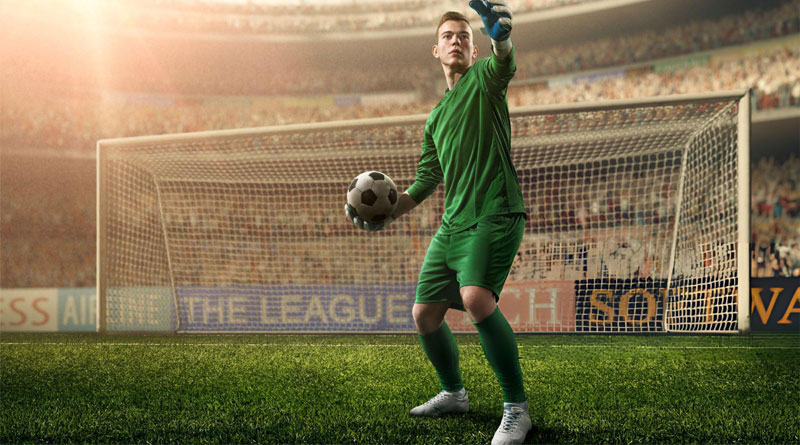
Finding the right football boots is important for every goalkeeper because good boots help you move quickly, stay balanced, and feel confident when making saves and kicking the ball. Goalkeepers need boots that offer strong grip on the pitch, good comfort for long matches, and support for fast direction changes and dives. Some boots that work well for keepers include models with durable materials and stud patterns that suit different surfaces like firm grass or artificial turf, so you can stay steady and avoid slipping. In this guide, we’ll look at the best football boots that give goalkeepers the traction, comfort, and performance they need to play their best.
1. GWMDKI Men’s Football Boots Cleats FG/AG Professional Spikes Soccer Shoes

Upper material: High-quality PVC synthetic leather
Outsole: FG/AG molded rubber studs
Design: High-top with ergonomic heel counter
Surface compatibility: Natural grass, artificial grass, rubber grounds
These GWMDKI football boots are a solid budget-friendly option for goalkeepers who need comfort, grip, and durability during training and matches. The PVC synthetic leather upper feels soft on the foot and provides a good touch on the ball, which is helpful for goalkeepers when distributing long kicks or passes. The raised texture on the vamp supports better ball contact and helps maintain shape over time, reducing overstretching during regular use.
The high-top design adds ankle support, which can be useful for goalkeepers who make frequent lateral movements and dives. Inside, the boots use breathable materials that help reduce heat and sweat buildup, keeping feet comfortable during long sessions. The ergonomic heel counter improves lockdown and stability, helping the foot stay secure during quick reactions. These boots perform well on both firm ground and artificial surfaces, making them a versatile choice for everyday play.
Pros
- Comfortable and breathable fit
- Good ankle and heel support
- Suitable for multiple playing surfaces
Cons
- PVC upper is less premium than leather
- Limited advanced control features
2. adidas Unisex F50 Club Firm Ground/Multi Ground Football Boots

Upper material: Fiberskin synthetic upper
Outsole: Firm/Multi-ground studs
Fit system: Lace closure
Lining: Textile lining
The adidas F50 Club football boots are designed for speed, stability, and reliable performance, making them a strong choice for goalkeepers who value quick movement. The Fiberskin upper feels lightweight and supportive, allowing goalkeepers to move fast across the penalty area. The Sprintgrid print not only adds visual appeal but also helps improve touch and control during goal kicks and clearances.
Comfort is well managed through the textile lining, which provides a smooth feel inside the boot and reduces irritation during extended wear. The firm/multi-ground outsole offers dependable traction on natural grass and mixed surfaces, helping goalkeepers stay balanced while diving or changing direction quickly. The regular fit makes these boots suitable for a wide range of foot shapes, while the lace closure ensures a secure and adjustable fit.
Pros
- Lightweight and responsive feel
- Reliable grip on firm and mixed grounds
- Trusted adidas build quality
Cons
- Less cushioning than premium models
- Not designed specifically for wide feet
3. DREAM PAIRS Men’s Cleats Football Boots
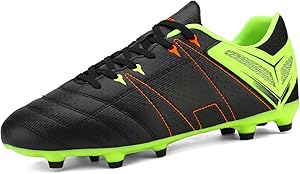
Upper material: DP synthetic combination upper
Outsole: Rubber molded cleats
Insole: Cushioned footbed
Design focus: Lightweight comfort
DREAM PAIRS football boots are a practical option for goalkeepers looking for comfort and durability at an affordable price. The synthetic combination upper feels soft yet strong, providing good resistance to wear during frequent training sessions. The cushioned insole adds extra comfort, which is especially useful for goalkeepers who spend long periods standing and then react quickly when needed.
The rubber molded cleats are designed with a rotational traction pattern that helps goalkeepers pivot and recover position smoothly. The lightweight construction reduces foot fatigue, making these boots suitable for extended matches or practice sessions. While they may not offer advanced control technology, they deliver consistent performance and stability across common playing conditions.
Pros
- Comfortable cushioned insole
- Lightweight and easy to wear
- Good value for money
Cons
- Basic design and materials
- Limited high-performance features
4. PUMA Unisex Future 8 Match Low FG/AG Soccer Shoe

Upper material: Soft lightweight mesh
Grip feature: Raised mesh control lines
Support system: Midfoot support tape
Outsole: FG/AG configuration
The PUMA Future 8 Match boots are designed for agility and control, making them well suited for modern goalkeepers. The lightweight mesh upper provides excellent breathability and flexibility, allowing natural foot movement during quick reactions. Raised mesh lines enhance ball grip, which helps goalkeepers maintain control when passing under pressure.
Support tape across the midfoot improves stability and lockdown, keeping the foot secure during sudden movements and dives. The FG/AG outsole offers balanced traction on both natural and artificial surfaces, reducing the risk of slipping. These boots combine comfort, control, and responsiveness, making them ideal for competitive play.
Pros
- Excellent ball grip and control
- Lightweight and breathable
- Strong midfoot support
Cons
- Less ankle protection due to low-cut design
- Higher price than entry-level boots
5. LECYGNB Football Boots Men’s Breathable Spikes Outdoor Astro Turf

Toe protection: Anti-collision reinforced toe cap
Outsole: Non-slip natural rubber
Comfort features: Padded collar and footbed
Surface use: Natural grass, artificial turf, rubber grounds
These breathable football boots are built with safety and comfort in mind, which is important for goalkeepers facing frequent contact. The reinforced toe cap helps protect against accidental impacts, while the padded collar and footbed ensure long-lasting comfort during matches and training.
The rubber outsole provides strong grip and stability, allowing goalkeepers to sprint, stop, and dive with confidence. Breathable materials help keep feet cool and dry, even during intense play. Overall, these boots are a reliable all-surface option for goalkeepers who want protection and comfort.
Pros
- Strong toe protection
- Comfortable padding
- Good grip on multiple surfaces
Cons
- Bulky design
- Limited brand recognition
6. Puma Men’s Vitoria II FG/AG Soccer Shoe
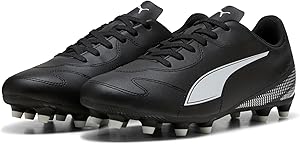
Upper material: Durable synthetic upper
Outsole: FG/AG rubber sole
Comfort system: Padded collar and footbed
Design: Lightweight construction
The Puma Vitoria II FG/AG boots offer a classic and reliable design for goalkeepers. The synthetic upper provides consistent ball control in both wet and dry conditions, making it suitable for all-weather play. Cushioning inside the boot ensures comfort during long periods on the field.
The rubber outsole delivers dependable traction and stability, helping goalkeepers stay balanced during quick movements. Lightweight construction reduces fatigue, making these boots suitable for regular training and match use.
Pros
- Comfortable and lightweight
- Reliable grip
- Trusted Puma quality
Cons
- Simple design
- Limited advanced control features
7. situkeke Men’s Football Boots Spike High Top Astro Turf Trainers

Upper material: Lightweight synthetic material
Design: High-top ankle support
Outsole: Non-slip rubber sole
Surface compatibility: Grass, turf, hard ground
Situkeke football boots are designed for versatility and comfort, making them suitable for goalkeepers playing on different surfaces. The synthetic upper is lightweight and wear-resistant, offering good ball control and durability. High-top construction provides extra ankle support, which can help reduce injury risk.
The non-slip rubber sole delivers solid grip and stability, while traditional lacing allows for a secure and adjustable fit. Breathable materials help keep feet dry, making these boots a practical option for regular play.
Pros
- Good ankle support
- Breathable and lightweight
- Works on many surfaces
Cons
- Basic cushioning
- Not ideal for professional-level play
How to Choose Football Boots for Goalkeepers
Choosing the right football boots for goalkeepers is about comfort, grip, and performance on the pitch. Unlike field players who may focus mostly on speed or dribbling, goalkeepers need boots that support strong footing, quick movements, solid stability, and confidence when kicking the ball long distances. Your boots become your foundation — they affect how you push off the ground to make a save, change direction, or launch a goal kick. In this guide, we’ll break down the key things you should consider when picking boots that help you play your best, whether you’re training weekly with friends or competing in serious matches.
Understand Your Playing Surface
Firm Ground (FG)
Firm ground boots are the most common choice for matches and training on natural grass that is dry or slightly damp but not muddy. These boots usually feature molded studs that help with grip without digging too deep into the ground. For keepers, this means stable traction when shifting position or taking off for a strong save. FG studs are versatile and suit most outdoor pitches.
Soft Ground (SG)
Soft ground boots are built for wet, muddy conditions where normal studs might slip. They often have longer studs, sometimes metal, that dig into soft soil. This deeper grip can make a difference when you’re pushing off into a dive or standing steady during corners. But on firm or hard surfaces, SG studs can feel unstable, so reserve them for truly soft fields.
Artificial Grass and Turf
If you play on synthetic pitches, artificial grass (AG) or turf boots are better. These boots have many shorter studs or rubber nubs that spread out weight and reduce pressure on joints. They help maintain good traction on fake grass and hard surfaces without the studs catching or slipping. For goalkeepers who train on these surfaces, picking the appropriate sole makes movements safer and more responsive.
Comfort and Fit Matter Most
A boot that doesn’t fit well will distract you from your performance. Goalkeepers spend time crouched and on their toes, ready to spring into action. Boots that pinch your toes or let your heel slide can lead to blisters, discomfort, or slower reactions. Always try boots on before buying if possible, and pay attention to how they feel when standing and moving. A snug heel hold, secure midfoot fit, and enough toe room contribute to confidence in movement.
A proper fit also supports better contact with the ball when kicking — important for long goals kicks and accurate distribution. Some boots offer wider fits for players with broader feet, and modern designs often include knit or mesh uppers that adapt closely to unique foot shapes.
Upper Material and Ball Control
The upper refers to the part of the boot that covers your foot. This material influences touch, durability, water resistance, and overall comfort.
Leather Uppers
Traditional leather — such as kangaroo or calf leather — molds to your foot over time and provides a soft, natural feel. It often improves ball touch and comfort, which is good for goalkeepers who value a clean clear or precise pass. Leather can be heavier and requires care to stay in good condition, especially in wet weather.
Synthetic Uppers
Many modern boots use synthetic materials. These are lighter, water-resistant, and hold their shape well. Synthetic uppers can also incorporate textured surfaces or reinforced zones that help with grip and ball control, which is useful for quick throws or powerful kicks.
Knit and Mesh
Some high-end boots use knitted or mesh fabrics with elastic properties. These materials offer a sock-like fit and excellent breathability. For keepers who prioritize comfort and a close touch, these uppers can be very effective, though they may offer less traditional protection than leather.
Stud Configuration: Grip and Movement
The arrangement and shape of studs influence traction, stability, and how easily your foot releases from the ground.
Conical Studs
Round, conical studs offer smooth rotational movement. Many keepers find these helpful when planting their foot and pivoting after a save or clearance. Conical studs tend to release more easily, which can help when changing direction quickly.
Bladed Studs
Bladed studs can provide strong grip and acceleration, especially on firmer pitches. They are useful if you need extra push off momentum during rapid sideways movements. However, some players find them less forgiving when pivoting because they can “stick” in the ground.
Mixed Stud Designs
Some boots combine conical and bladed studs. This hybrid approach tries to balance grip and release, providing secure traction without compromising fluid movements. Mixed patterns can be useful for goalkeepers who move in many different directions during a game.
Weight vs. Support: Finding the Balance
Lightweight boots can feel agile and reduce fatigue, meaning you react quickly when a shot comes your way. However, extremely light boots may provide less protection and stability during heavy contact or long kicking sessions. Goalkeepers often benefit from a balance between a lightweight feel and good structural support — especially around the heel and ankle — since they frequently push off at full force.
Ankle Support: Stability for Quick Saves
Because keepers make explosive lateral movements, proper ankle support matters. Some boots come with a slightly higher collar or reinforced area around the ankle. This support can boost confidence during dives and rapid side-to-side steps, and may also help prevent injuries. Choosing boots that support your style — whether you prefer low-cut freedom or high-cut stability — is a personal decision, but one that affects performance.
Cushioning and Shock Absorption
Goalkeepers make frequent jumps, land hard after dives, and push off with force. A boot with good cushioning helps absorb shock and reduce stress on the feet and joints. Look for models with padded insoles and responsive midsoles that protect your foot during impact. Though this doesn’t replace proper training and strength work, it can improve comfort over long matches.
Try Before You Buy (If Possible)
Trying boots on before purchase allows you to assess fit, comfort, and feel. Walk, jump, and move around in them just as you would in a match. Check how your heel feels, whether the toebox is tight, and how the boot responds when you make quick direction changes. If a retailer offers returns or exchanges, this flexibility can help you find the perfect match.
Consider Your Budget
Boots come at many price levels. Premium models may use cutting-edge materials and features, but mid-range boots can still offer excellent performance and comfort. Know your budget and choose boots that give you the best balance of features and value.
Final Thoughts
Choosing football boots as a goalkeeper isn’t about picking the most expensive pair or the flashiest design. It’s about understanding your surface, how the boot fits your foot, and how it supports your movements during games. Focus on traction, stability, comfort, and match conditions. A well-chosen pair of boots will help you stay agile, confident, and ready for every save or clearance.
When you take time to match your boots to your needs, you’ll feel a big difference in your play — from sharper dives to steadier footing in critical moments. Whether you’re playing casually or professionally, thoughtful boot choice strengthens your foundation and lets you perform at your best.